CESAR implemented South Africa’s first Bio-Behavioural Survey-Lite (BBS-Lite) among four HIV key populations: female sex workers, people who inject drugs, men who have sex with men, and transgender women. The study was conducted across seven districts nationwide to generate critical epidemiological and behavioural data to inform HIV programming and monitoring.
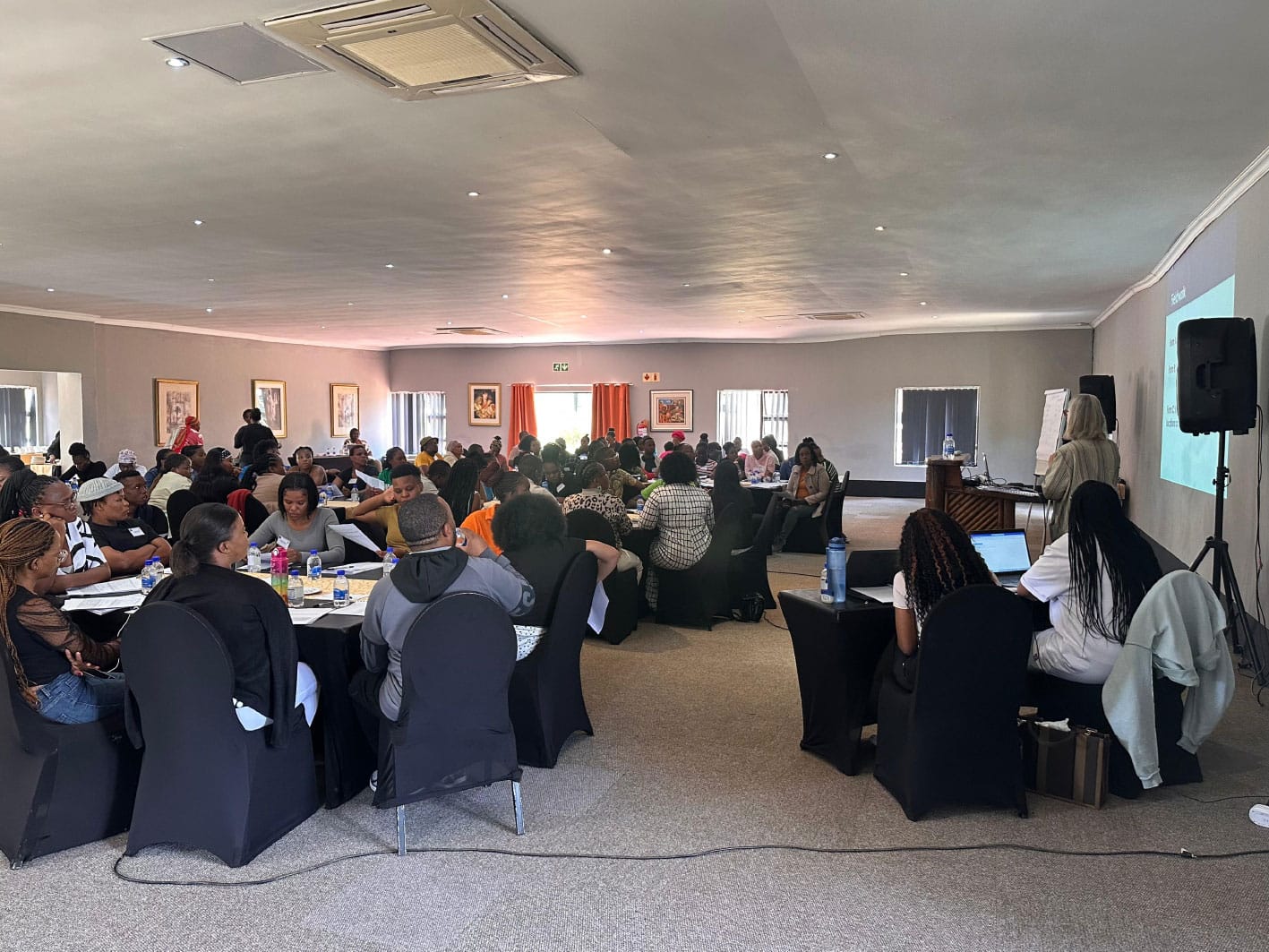
CESAR worked closely with national stakeholders to adapt the BBS-Lite methodology and survey tools. We recruited and managed a fieldwork team of 90 personnel and successfully collected interview data and biological samples from 6,182 participants across the seven districts. CESAR conducted data management, statistical analysis, interpretation of findings and produced a comprehensive infographic-based report to communicate results clearly to policymakers and partners.
In South Africa, bio-behavioural surveys (BBS) among key populations (KPs) have largely focused on metropolitan municipalities, limiting understanding of HIV and related epidemics in non-metropolitan districts. The BBS-Lite generated critical data on HIV prevalence, risk behaviours and access to services among key populations, addressing major evidence gaps in the country’s HIV response. The findings are being used to improve service targeting, resource allocation and programme monitoring at the district and national levels.
© 2026 CESAR. All Rights Reserved.