Client: Health and Welfare Sector Education Training Authority (HWSETA)
Client: Health and Welfare Sector Education Training Authority (HWSETA)
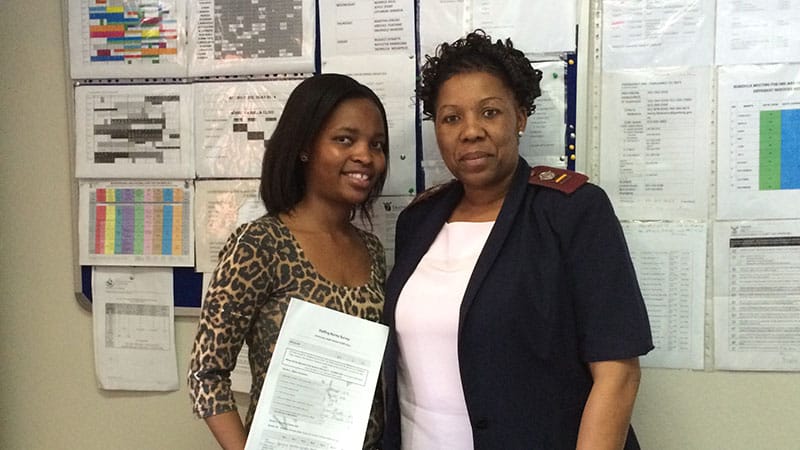
[vc_row][vc_column width=”1/2″][vc_single_image source=”featured_image” img_size=”full”][/vc_column][vc_column width=”1/2″][vc_custom_heading source=”post_title” font_container=”tag:h1|font_size:30px|text_align:left|line_height:1.4″ use_theme_fonts=”yes” css=”.vc_custom_1700129029851{margin-bottom: 20px !important;}”][vc_acf field_group=”3025″ field_from_3025=”field_6555d9f39c5e8″ show_label=”yes” el_class=”text-primary text-bold”][g5element_space spacing=”20″][vc_column_text]CESAR conducted a cross-sectional survey of 25 health facilities in Ekhuruleni District of South Africa to document the tasks undertaken by healthcare workers and the time taken to perform those tasks. The study included 27 facility managers; 195 healthcare workers; six School Health Teams, 50 Community Healthcare Workers and five Outreach Team Leaders. The data were analysed and used to inform standard human resource requirements through incorporation into an algorithm adapted for calculating and setting staffing norms.[/vc_column_text][/vc_column][/vc_row]

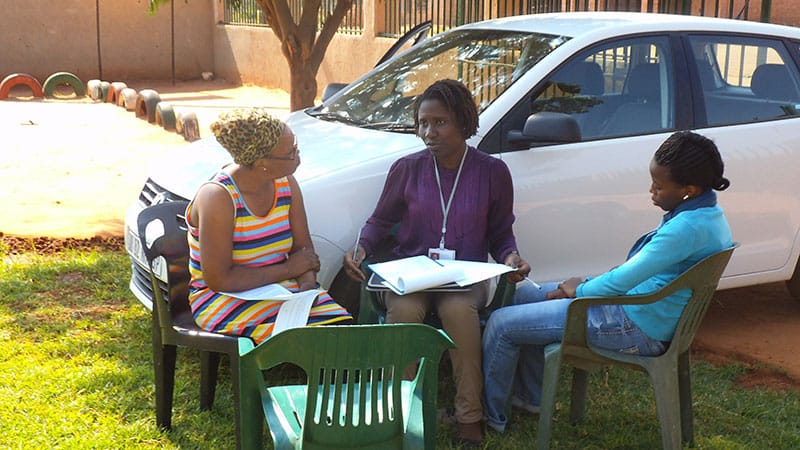
[vc_row][vc_column width=”1/2″][vc_single_image source=”featured_image” img_size=”full”][/vc_column][vc_column width=”1/2″][vc_custom_heading source=”post_title” font_container=”tag:h1|font_size:30px|text_align:left|line_height:1.4″ use_theme_fonts=”yes” css=”.vc_custom_1700129029851{margin-bottom: 20px !important;}”][vc_acf field_group=”3025″ field_from_3025=”field_6555d9f39c5e8″ show_label=”yes” el_class=”text-primary text-bold”][g5element_space spacing=”20″][vc_column_text]CESAR’s evaluation specialist was contracted to conduct Monitoring and Evaluation (M&E) of four TB Reach projects in Mozambique and Nigeria on behalf of the WHO. The project assignment included the assessment of the progress, quality and impact of projects selected on the basis of innovatively achieving early and increased TB case detection in poor populations. Technical support was provided to programme grantees and feedback involved three annual and twelve quarterly reports for each project.[/vc_column_text][/vc_column][/vc_row]
[vc_row][vc_column width=”1/2″][vc_single_image source=”featured_image” img_size=”full”][/vc_column][vc_column width=”1/2″][vc_custom_heading source=”post_title” font_container=”tag:h1|font_size:30px|text_align:left|line_height:1.4″ use_theme_fonts=”yes” css=”.vc_custom_1700129029851{margin-bottom: 20px !important;}”][vc_acf field_group=”3025″ field_from_3025=”field_6555d9f39c5e8″ show_label=”yes” el_class=”text-primary text-bold”][g5element_space spacing=”20″][vc_column_text]CESAR’s evaluation specialist (with the role of evaluation quality assurance manager) was part of a team commissioned by the United Kingdom DFID to conduct a rapid assessment of the Pakistan Chief Minister’s Health Initiative for Attainment And Realisation of Millennium Development Goals (CHARM) project. This project was implemented in seven districts of Punjab.[/vc_column_text][/vc_column][/vc_row]
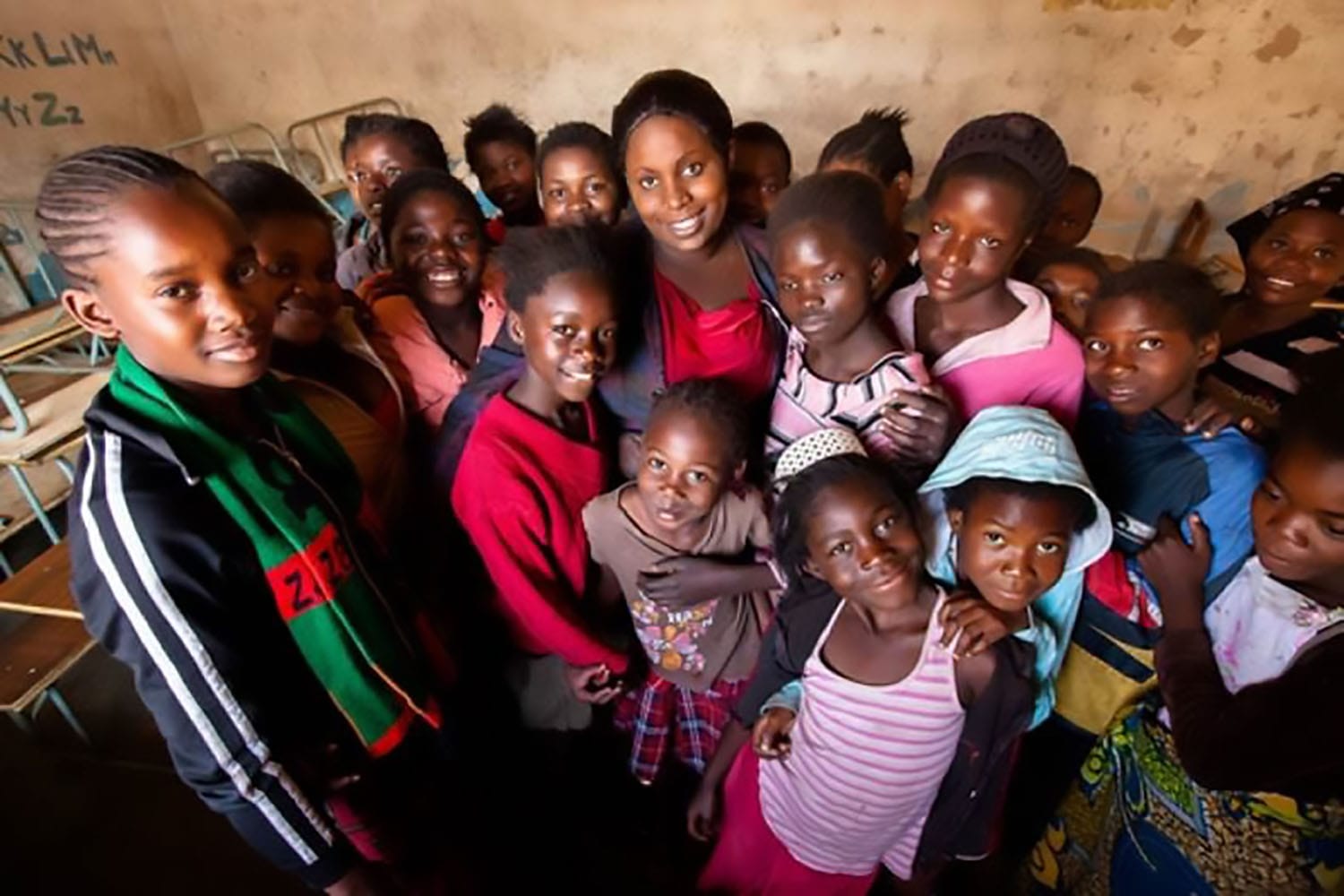
Home Notable Project Independent Impact Evaluation of the Adolescent Girls Empowerment Programme Project Details Client: UK Department for International Development (DFID) Country: Zambia Period: 2012–2017 Role: Evaluation Consultant (Through HSLP) Project Overview HLSP in the UK conducted an independent evaluation of the DFID-funded Adolescent Girls Empowerment Programme (AGEP) in Zambia. The multi-year evaluation assessed programme effectiveness in improving social, economic, and health outcomes among adolescent girls, and examined whether the intervention achieved its intended impact over time. CESAR’s technical lead was part of the four-man international team of evaluation specialists who conducted this assignment. Scope of Work The evaluation team conducted baseline, mid-term, and end-term evaluations using a mixed-methods approach. The team’s assignment was to ensure that the programme and its evaluation, implemented by the local implementing partner, meet scientific standards. Quantitative and qualitative data were synthesised to assess programme performance, outcome indicators, and sustainability. Comparative analyses were conducted with similar empowerment programmes in other African countries to contextualise findings. The evaluation team developed comprehensive technical evaluation reports for the DFID. Impact The evaluation provided DFID and programme partners with independent evidence on programme effectiveness, implementation strengths and areas requiring adjustment. Evaluations of this nature support accountability in development programming and contribute to the global evidence base on interventions aimed at improving outcomes for adolescent girls in sub-Saharan Africa.