[vc_row][vc_column width=”1/2″][vc_single_image source=”featured_image” img_size=”full”][/vc_column][vc_column width=”1/2″][vc_custom_heading source=”post_title” font_container=”tag:h1|font_size:30px|text_align:left|line_height:1.4″ use_theme_fonts=”yes” css=”.vc_custom_1700129029851{margin-bottom: 20px !important;}”][vc_acf field_group=”3025″ field_from_3025=”field_6555d9f39c5e8″ show_label=”yes” el_class=”text-primary text-bold”][g5element_space spacing=”20″][vc_column_text]CESAR was contracted to conduct data cleaning and management on learner satisfaction surveys issued by HWSETA before analysing and reporting the findings in written and infographic format. Analysis in this regard supports Monitoring and Evaluation (M&E) activities undertaken to assess programme quality, as well as learner perceptions. Graphic report summaries further enable the client to share engaging content with broader audiences.[/vc_column_text][/vc_column][/vc_row]

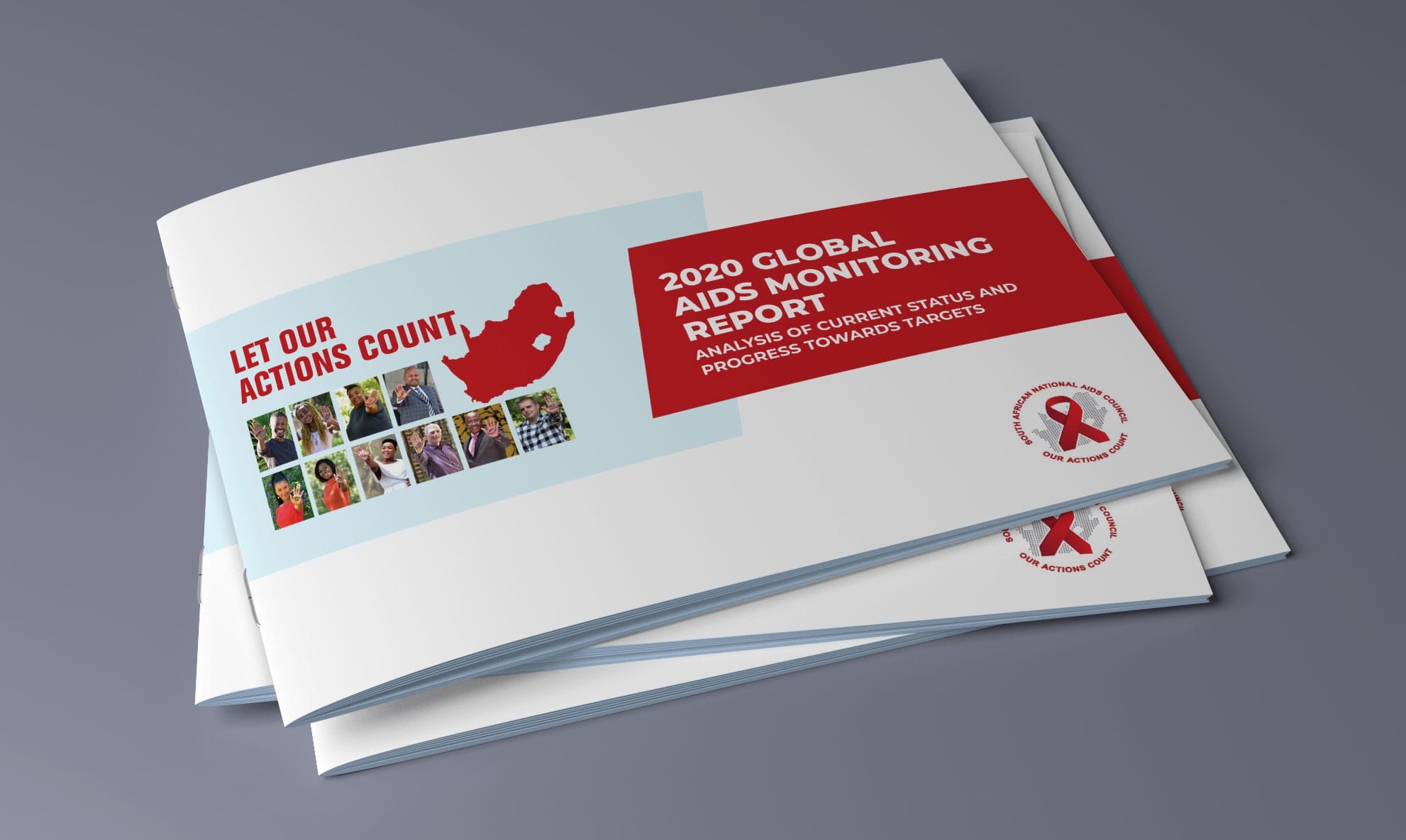
Home Notable Project National Global AIDS Monitoring (GAM) Reports Project Details Client: South African National AIDS Council (SANAC) Country: South Africa Period: 2018–2020 Role: Research Company Project Overview CESAR led the development of South Africa’s Global AIDS Monitoring (GAM) reports submitted to UNAIDS under the United Nations Political Declaration on Ending AIDS. These reports assess the country’s progress towards the 10 Fast-Track Commitments and the 90-90-90 treatment targets. The 2020 GAM report was particularly important as it marked the global target year and provided a baseline for the 2021–2030 Global AIDS Strategy. Scope of Work CESAR synthesised national data from multiple sources, conducted statistical analyses, reviewed policies and programme performance and prepared the official national report with clear recommendations. Impact The GAM reports strengthened South Africa’s accountability to global HIV targets and provided a clear picture of national progress, gaps and priorities. CESAR’s work supported evidence-based decision-making at both national and international levels.

Home Notable Project National TB Patient Cost Survey: Out-of-Pocket and Catastrophic Health Expenditure Project Details Client: Ministry of Health, Lesotho Country: Lesotho Period: 2018–2019 Role: Research Company (Joint Venture with Health Focus South Africa) Project Overview CESAR, in joint venture with Health Focus South Africa, conducted a nationally representative TB patient cost survey in Lesotho to estimate out-of-pocket expenditure (OOPE) and catastrophic health expenditure (CHE) among drug-sensitive and multidrug-resistant TB patients. The study formed part of the World Bank–funded Southern Africa TB and Health Systems Support (SATBHSS) Project and aimed to assess the financial burden of TB on households and its implications for treatment access and outcomes. The study surveyed 832 TB patients across 53 health facilities in all 10 districts, using a two-stage stratified cluster sampling design and the WHO TB Patient Cost Survey tool, adapted for Lesotho. Scope of Work CESAR designed the study methodology, adapted the WHO survey instrument and implemented electronic data collection nationwide. The team conducted advanced cost estimation using bottom-up expenditure analysis, separating direct medical, non-medical and indirect productivity costs. Weighted statistical analysis, multivariable regression and sensitivity analyses were performed to determine the prevalence and predictors of catastrophic expenditure. A comprehensive technical report, including policy recommendations aligned with the End TB Strategy, was delivered to the Ministry of Health. Impact The study provided the first nationally representative evidence on the economic burden of TB in Lesotho. It showed that while TB services are officially free, patients incur substantial non-medical and income-related costs, with catastrophic expenditure affecting a significant proportion of households, particularly those with MDR-TB and those in the poorest income groups. Studies of this nature are critical for strengthening patient-centred TB care, in particular and for informing social protection reforms, in general.

Home Notable Project Feeder Schools Analysis Study Project Details Client: University of the Witwatersrand (Wits University) Country: South Africa Period: 2018–2019 Role: Research Company Project Overview CESAR conducted a cross-sectional mixed-methods study for the University of the Witwatersrand to better understand the academic pipeline from selected secondary schools to the university. The study explored learner preparedness, school-level factors, parental engagement and systemic barriers affecting access to higher education. Scope of Work CESAR designed and implemented school-based data collection involving students, parents, and teachers. Data were collected using electronic tools (ODK) to ensure accuracy and real-time monitoring. The study incorporated both quantitative surveys and qualitative interviews to provide a balanced and in-depth understanding of the issues. CESAR conducted statistical analysis of survey data and thematic analysis of qualitative findings, culminating in a detailed analytical report with strategic recommendations. Impact The study provided Wits University with evidence on the characteristics and challenges of its feeder schools, highlighting gaps in academic preparation, resource availability and learner support systems. Findings from the study were valuable in guiding targeted outreach, academic support programmes and strategic engagement with schools to strengthen equitable access to higher education.

Home Notable Project Standardised Patient Survey in Public and Private Health Facilities (Johannesburg) Project Details Client: London School of Economics (LSE) & Wits School of Public Health Country: South Africa Period: 2018 Role: Fieldwork and Data Collection Partner Project Overview CESAR was appointed to implement the fieldwork component of a Standardised Patient Survey in Johannesburg. The study assessed the quality of healthcare services in public and private facilities using trained undercover fieldworkers who presented as patients to evaluate provider practices and adherence to clinical standards. Scope of Work CESAR’s fieldworkers were trained by the LSE and Wits SPH as standardised patients for a large facility-based survey across public and private healthcare facilities. The team completed 600 structured provider interactions, collected electronic data using SurveyCTO and maintained strict quality assurance protocols to ensure consistency and data integrity. CESAR provided weekly fieldwork monitoring reports and submitted a fieldwork completion report to the client. Impact By delivering high-quality, standardised data collection under a sensitive research design, CESAR supported an internationally led study examining healthcare quality in urban South Africa.