[vc_row][vc_column width=”1/2″][vc_single_image source=”featured_image” img_size=”full”][/vc_column][vc_column width=”1/2″][vc_custom_heading source=”post_title” font_container=”tag:h1|font_size:30px|text_align:left|line_height:1.4″ use_theme_fonts=”yes” css=”.vc_custom_1700129029851{margin-bottom: 20px !important;}”][vc_acf field_group=”3025″ field_from_3025=”field_6555d9f39c5e8″ show_label=”yes” el_class=”text-primary text-bold”][g5element_space spacing=”20″][vc_column_text]CESAR undertook a cross-sectional survey of 270 non-profit organisations (NPOs) in all nine provinces of South Africa to profile NPOs in the country. A detailed profile of the NPOs in the health and social sectors were made available to the Health and Welfare Sector Education Training Authority for use. CESAR was commissioned to conduct qualitative data collection in rural and urban South Africa and derive a formative study on a forthcoming 13-part drama series designed to explore the importance of road safety. Findings of the formative assessment were used by the production house to appropriately design and implement this television programme on behalf of the National Department of Transport.[/vc_column_text][/vc_column][/vc_row]

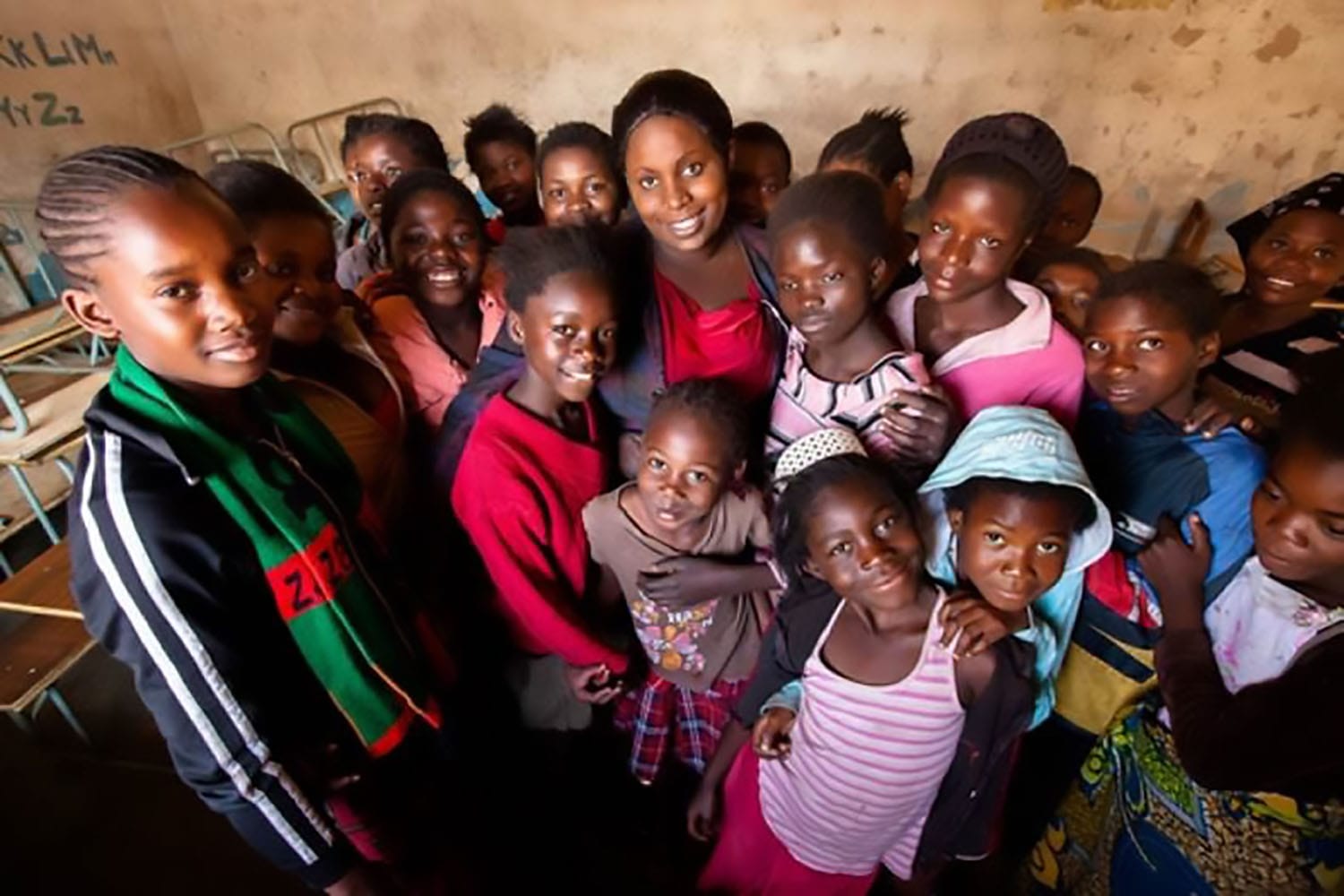
Home Notable Project Independent Impact Evaluation of the Adolescent Girls Empowerment Programme Project Details Client: UK Department for International Development (DFID) Country: Zambia Period: 2012–2017 Role: Evaluation Consultant (Through HSLP) Project Overview HLSP in the UK conducted an independent evaluation of the DFID-funded Adolescent Girls Empowerment Programme (AGEP) in Zambia. The multi-year evaluation assessed programme effectiveness in improving social, economic, and health outcomes among adolescent girls, and examined whether the intervention achieved its intended impact over time. CESAR’s technical lead was part of the four-man international team of evaluation specialists who conducted this assignment. Scope of Work The evaluation team conducted baseline, mid-term, and end-term evaluations using a mixed-methods approach. The team’s assignment was to ensure that the programme and its evaluation, implemented by the local implementing partner, meet scientific standards. Quantitative and qualitative data were synthesised to assess programme performance, outcome indicators, and sustainability. Comparative analyses were conducted with similar empowerment programmes in other African countries to contextualise findings. The evaluation team developed comprehensive technical evaluation reports for the DFID. Impact The evaluation provided DFID and programme partners with independent evidence on programme effectiveness, implementation strengths and areas requiring adjustment. Evaluations of this nature support accountability in development programming and contribute to the global evidence base on interventions aimed at improving outcomes for adolescent girls in sub-Saharan Africa.

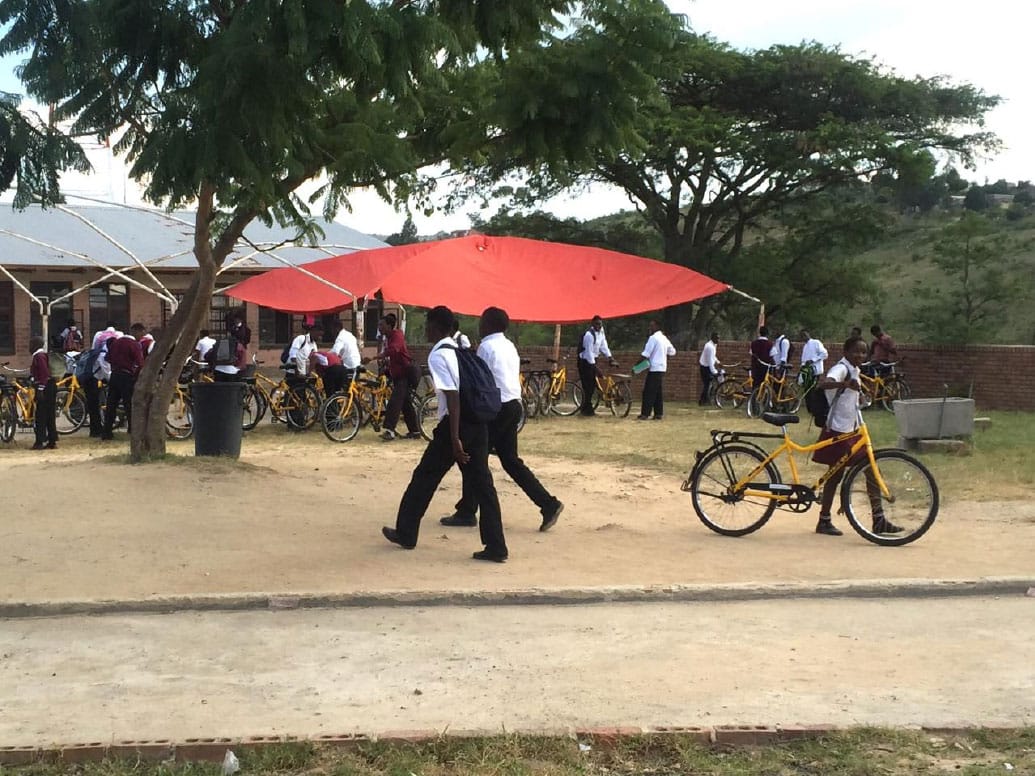
Home Notable Project Opportunity Study for the Bicycle Education Empowerment Programme (BEEP) Project Details Client: Stanford Research Institute (SRI International) Country: South Africa Period: 2016 Role: Research Company Project Overview CESAR collaborated with Stanford Research Institute to conduct an opportunity study of World Bicycle Relief’s Bicycle Education Empowerment Programme in Limpopo Province. The study assessed the feasibility, implementation context and impact of bicycle-based interventions to improve access to education and learner outcomes in rural settings. Specifically, the study examined how improved transportation could influence school attendance, punctuality, academic performance and overall learner well-being in a setting with limited transport options and a relatively low bicycle culture. Scope of Work CESAR contributed to the study design and led fieldwork implementation for the cross-sectional survey of over 200 learners and qualitative interviews with household heads, educators and programme stakeholders. The team conducted mixed-methods analyses and contributed to writing the report. Impact The study showed that bicycles significantly reduced travel time, improved punctuality and increased time for learning. It also identified key implementation challenges, such as maintenance costs, safety concerns and terrain, that informed programme refinement and scale-up in South Africa.