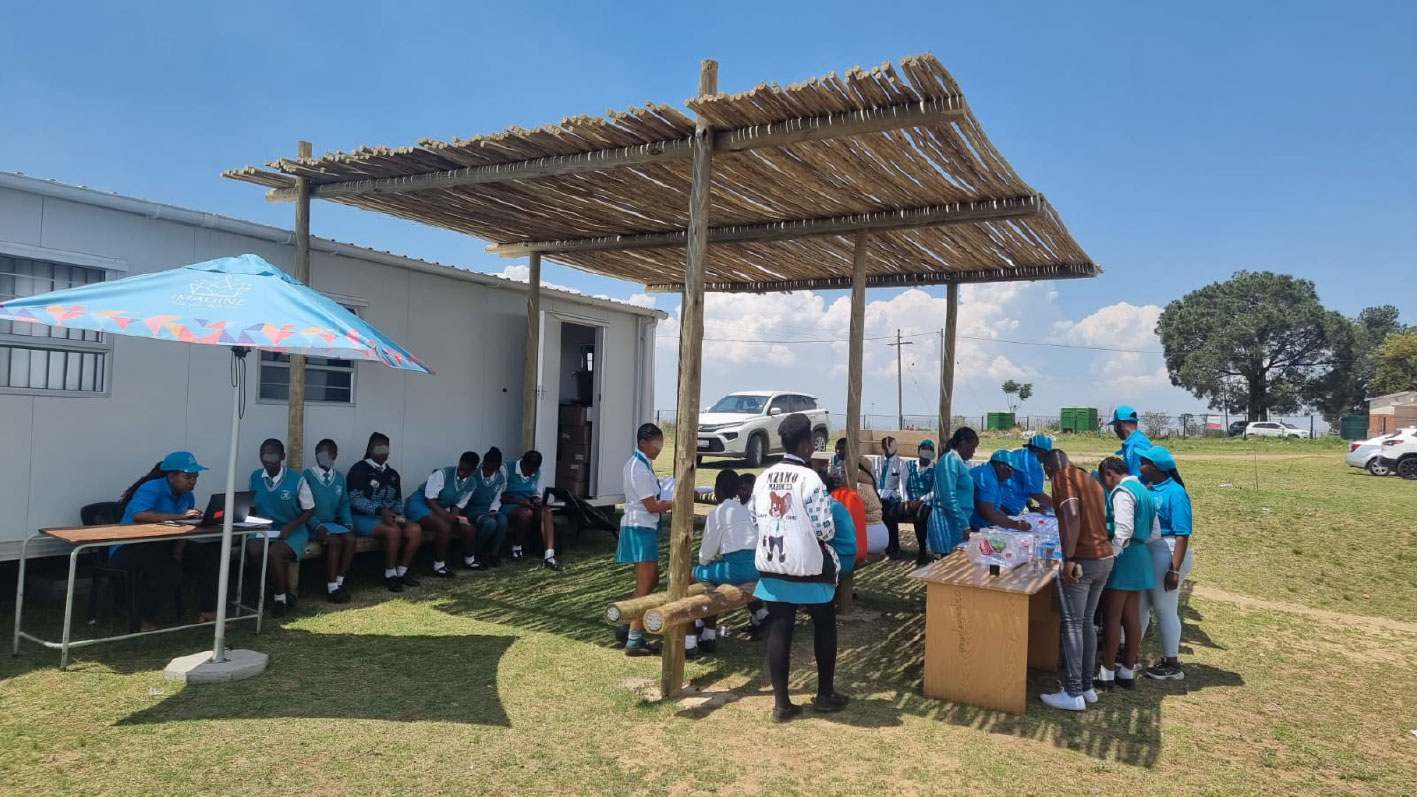
Home Notable Project Independent Verification of the SAMRC Imagine Social Outcomes-Based Contract Project Details Client: South African Medical Research Council (SAMRC) Country: South Africa Period: 2023–2025 Role: Independent Verification Agent Project Overview CESAR was appointed by the South African Medical Research Council (SAMRC) as the Independent Verification Agent for the Imagine Social Outcomes-Based Contract. The Imagine Programme, implemented by NACOSA, aimed to reduce HIV incidence and unwanted pregnancies among adolescent girls and young women (AGYW) in schools in KwaZulu-Natal and Northwest provinces. Scope of Work CESAR conducted quarterly and annual independent verification of programme outputs and outcomes. This included reviewing programme data, conducting confirmatory statistical analyses, and collecting primary data from beneficiaries to verify reported achievements. The verification process assessed indicators such as PrEP uptake, ART coverage, contraceptive use, antenatal care attendance and access to youth health services. Impact CESAR provided independent assurance of programme performance and data quality under a results-based financing model. Our work strengthened transparency, improved data accuracy, and supported accountability between implementers, investors and government. The verification findings also helped improve data management systems and programme implementation over the three-year period.

Home Notable Project National Bio-Behavioural Surveillance Study Among HIV Key Populations (BBS-Lite) Project Details Client: South African National AIDS Council (SANAC) Country: South Africa Period: 2024–2025 Role: Lead Research Implementing Partner Project Overview CESAR implemented South Africa’s first Bio-Behavioural Survey-Lite (BBS-Lite) among four HIV key populations: female sex workers, people who inject drugs, men who have sex with men, and transgender women. The study was conducted across seven districts nationwide to generate critical epidemiological and behavioural data to inform HIV programming and monitoring. Scope of Work CESAR worked closely with national stakeholders to adapt the BBS-Lite methodology and survey tools. We recruited and managed a fieldwork team of 90 personnel and successfully collected interview data and biological samples from 6,182 participants across the seven districts. CESAR conducted data management, statistical analysis, interpretation of findings and produced a comprehensive infographic-based report to communicate results clearly to policymakers and partners. Impact In South Africa, bio-behavioural surveys (BBS) among key populations (KPs) have largely focused on metropolitan municipalities, limiting understanding of HIV and related epidemics in non-metropolitan districts. The BBS-Lite generated critical data on HIV prevalence, risk behaviours and access to services among key populations, addressing major evidence gaps in the country’s HIV response. The findings are being used to improve service targeting, resource allocation and programme monitoring at the district and national levels.

Home Notable Project Citizen Satisfaction Survey in 22 High-Risk Municipalities Project Details Client: Government Communication and Information System (GCIS) Country: South Africa Year: 2024 Role: Research Company Project Overview CESAR conducted a large-scale Citizen Satisfaction Survey across 22 ‘dysfunctional municipalities’ in seven provinces of South Africa. The study assessed residents’ satisfaction with basic services, municipal performance, governance and community responsiveness under the government’s Back to Basics framework. A total of 2,366 residents participated in the quantitative survey, complemented by focus group discussions involving 212 community members, providing both statistical evidence and in-depth community perspectives. Scope of Work CESAR designed the survey tools, implemented a nationally coordinated mixed-methods study, and managed a field team of over 60 personnel. Using multistage cluster sampling, the study surveyed 2,366 residents and conducted 22 focus group discussions to gain deeper insights into the community. Impact The study provided the government with reliable, municipality-level evidence on service delivery gaps, citizen priorities, and levels of trust in local leadership. The findings highlighted critical weaknesses in water, sanitation, road infrastructure, communication, and governance accountability. Studies of this nature are essential for informing policy dialogue, guiding performance improvement strategies and supporting evidence-based decision-making in local government.

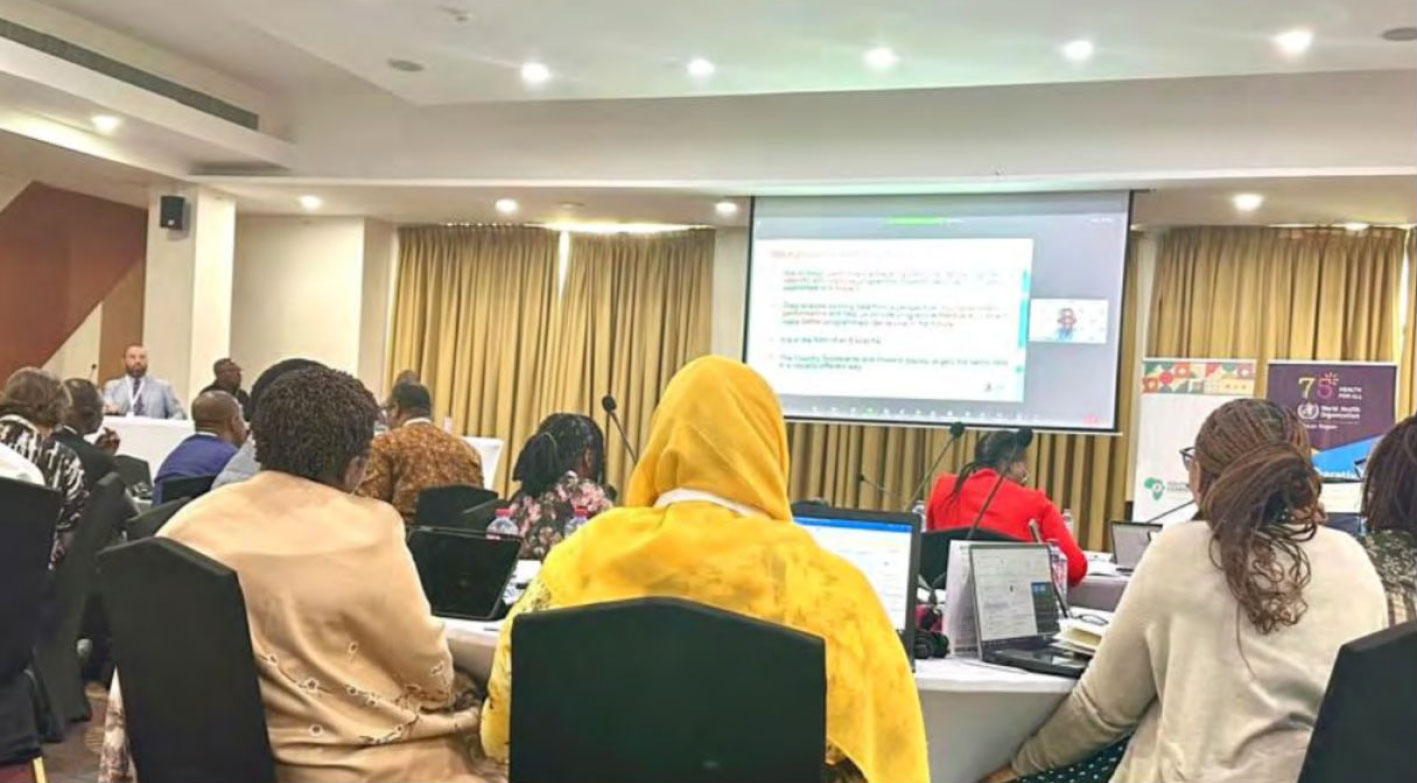
Home Notable Project Evaluation of the South–South Learning Network (SSLN) Project Details Client: Genesis Analytics Countries: Botswana, Côte d’Ivoire, Malawi, South Sudan, and Uganda Period: 2023–2024 Role: Research company Project Overview CESAR conducted a theory-based evaluation of the South–South Learning Network (SSLN), a multi-country initiative aimed at strengthening HIV prevention programmes across sub-Saharan Africa. The evaluation assessed how shared learning and technical exchanges translated into improved national HIV prevention policies, coordination and outcomes in five participating countries. Scope of Work CESAR designed and implemented a mixed-methods evaluation combining surveys, focus group discussions, key informant interviews, document reviews and secondary analysis of national HIV data. The study assessed changes in individual capacity, institutional alignment, programme quality, funding mobilisation and national prevention outcomes. Impact CESAR’s work provided evidence that peer-learning networks translate knowledge into measurable national-level impact. The evaluation demonstrated that the SSLN strengthened technical capacity, improved multi-sectoral coordination, increased use of evidence-based tools and contributed to stronger country proposals for PEPFAR and Global Fund funding.